
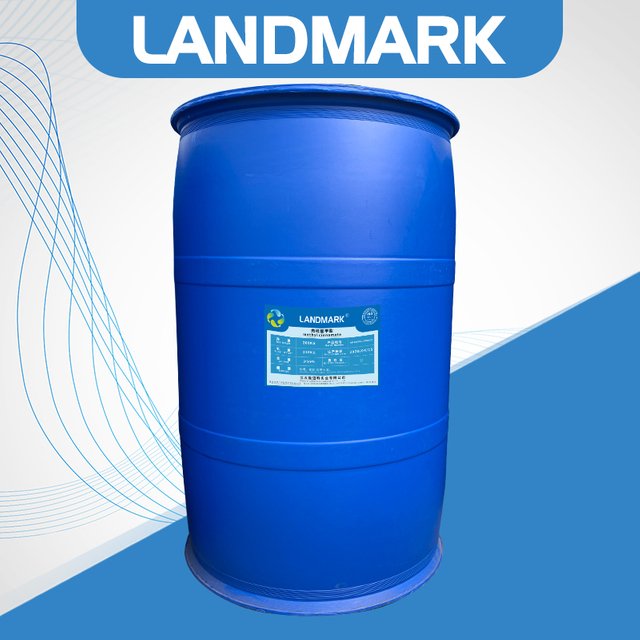
Methyl cinnamate
📍Manufactured in Wuhan, Hubei, India
<p> </p> <div class="sitewidget-hd" style="margin: 0px; padding: 0px; position: relative; background-position: left top; background-repeat: repeat; background-attachment: scroll; border-width: 0px; border-style: solid; border-color: rgb(0, 0, 0); border-radius: 0px; color: rgb(0, 0, 0); font-family: Arial; font-size: medium;"> <h1>Methyl cinnamate</h1> </div> <div class="sitewidget-bd " style="margin: 0px; padding: 0px; font-family: Arial; font-size: 14px; color: rgb(84, 84, 84); line-height: 1.7em; background-position: left top; background-repeat: repeat; background-attachment: scroll; position: relative; z-index: 2; border-width: 0px; border-style: solid; border-color: rgb(84, 84, 84); border-radius: 0px;"> <div class="sitewidget-prodlist-description" style="margin: 0px 0px 10px; padding: 0px;"> </div> <div class="sitewidget-prodlist-description" style="margin: 0px 0px 10px; padding: 0px;"> <p><span style="color:rgb(1, 104, 186) !important; font-family:微软雅黑">Methyl cinnamate(CAS NO. 103-26-4) is a white or transparent solid with a strong, aromatic odor and it belongs to the class of organic compounds known as cinnamic acid esters with the molecular formula C10H10O2. Methyl cinnamate is found naturally in many plants and fruits. Methyl cinnamate is also known by a variety of other names including Methyl 3-phenyl propenoate, 3-Phenyl-2-propenoic acid methyl ester, Methyl 3-phenyl-2-propenoate. Methyl transcinnamate is a fragrance ingredient used in many applications such as flavoring, pharmaceuticals, and fragrance compounds. It is also used to inhibit monophenolase and diphenolase activity of mushroom tyrosinas.</span></p> <p> </p> </div> </div>