
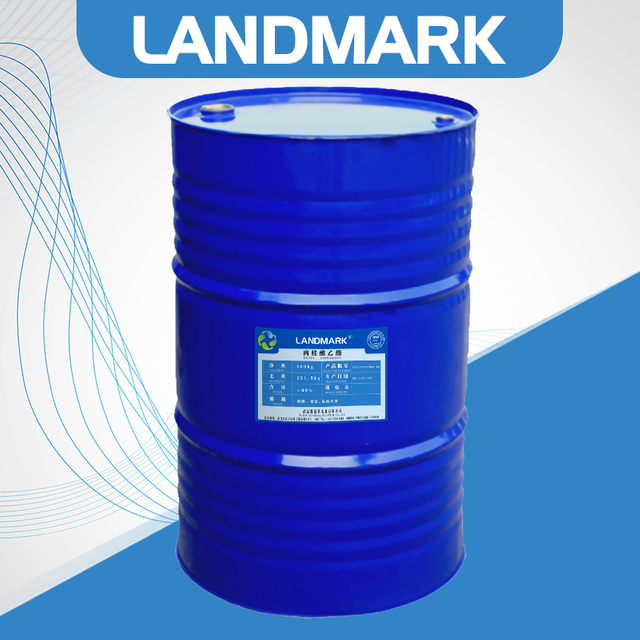
Ethyl cinnamate
📍Manufactured in Wuhan, Hubei, India
<div class="sitewidget-hd" style="margin: 0px; padding: 0px; position: relative; background-position: left top; background-repeat: repeat; background-attachment: scroll; border-width: 0px; border-style: solid; border-color: rgb(0, 0, 0); border-radius: 0px; color: rgb(0, 0, 0); font-family: Arial; font-size: medium;"> <h1>Ethyl cinnamate</h1> </div> <div class="sitewidget-bd " style="margin: 0px; padding: 0px; font-family: Arial; font-size: 14px; color: rgb(84, 84, 84); line-height: 1.7em; background-position: left top; background-repeat: repeat; background-attachment: scroll; position: relative; z-index: 2; border-width: 0px; border-style: solid; border-color: rgb(84, 84, 84); border-radius: 0px;"> <div class="sitewidget-prodlist-description" style="margin: 0px 0px 10px; padding: 0px;"> </div> <div class="sitewidget-prodlist-description" style="margin: 0px 0px 10px; padding: 0px;"> <p><span style="color:rgb(1, 104, 186) !important; font-family:微软雅黑">Ethyl cinnamate(CAS NO. 103-36-6) is the ester of cinnamic acid and ethanol with the molecular formula C10H10O2. Ethyl cinnamate is found in many foods, such as: corn, tarragon, tamarind, and ceylon cinnamon. Ethyl cinnamate can be used as a flavoring and fragrance ingredient. It can be used as the incense fixative agent and modification agents for fragrance. And it has excellent effect when being used in combination with the natural fruit essential oils with the effect being better for fragrance, perfume and flavor.</span></p> <p> </p> </div> </div>